From 3 systems to 1: 
How UX handed back nearly 2 days a week - YNO Designs
Skip to successes (case studies)
Go back Go back

From 3 systems to 1: 
How UX handed back nearly 2 days a week

We developed a custom CMS-powered website for Caleb’s Trio of Hope, an organization supporting children with palliative cancer and their families, funding research, and raising awareness. The new platform empowers their team to easily manage or update content, without any technical expertise.

Key Outcomes

37% reduction 
in manual effort

37% reduction 
in manual effort

By consolidating workflows, the team reclaimed the time that was previously lost to manual data entry and cross-referencing.

All-in-one system

All-in-one system

Successfully retired the reliance on three fragmented tools, creating a single, unified source of truth.

Real-time audit trail

Real-time audit trail

By moving the workflow out of offline spreadsheets, we established a centralized decision history.
About Verisk Analytics

Verisk Analytics is a global leader in data analytics and risk management, serving the insurance, energy, and financial services industries. A member of the S&P 500, the company manages a vast ecosystem of over 30 petabytes of data to provide predictive insights for nearly 70% of Fortune 100 enterprises.

Key challenges

Fragmented tools

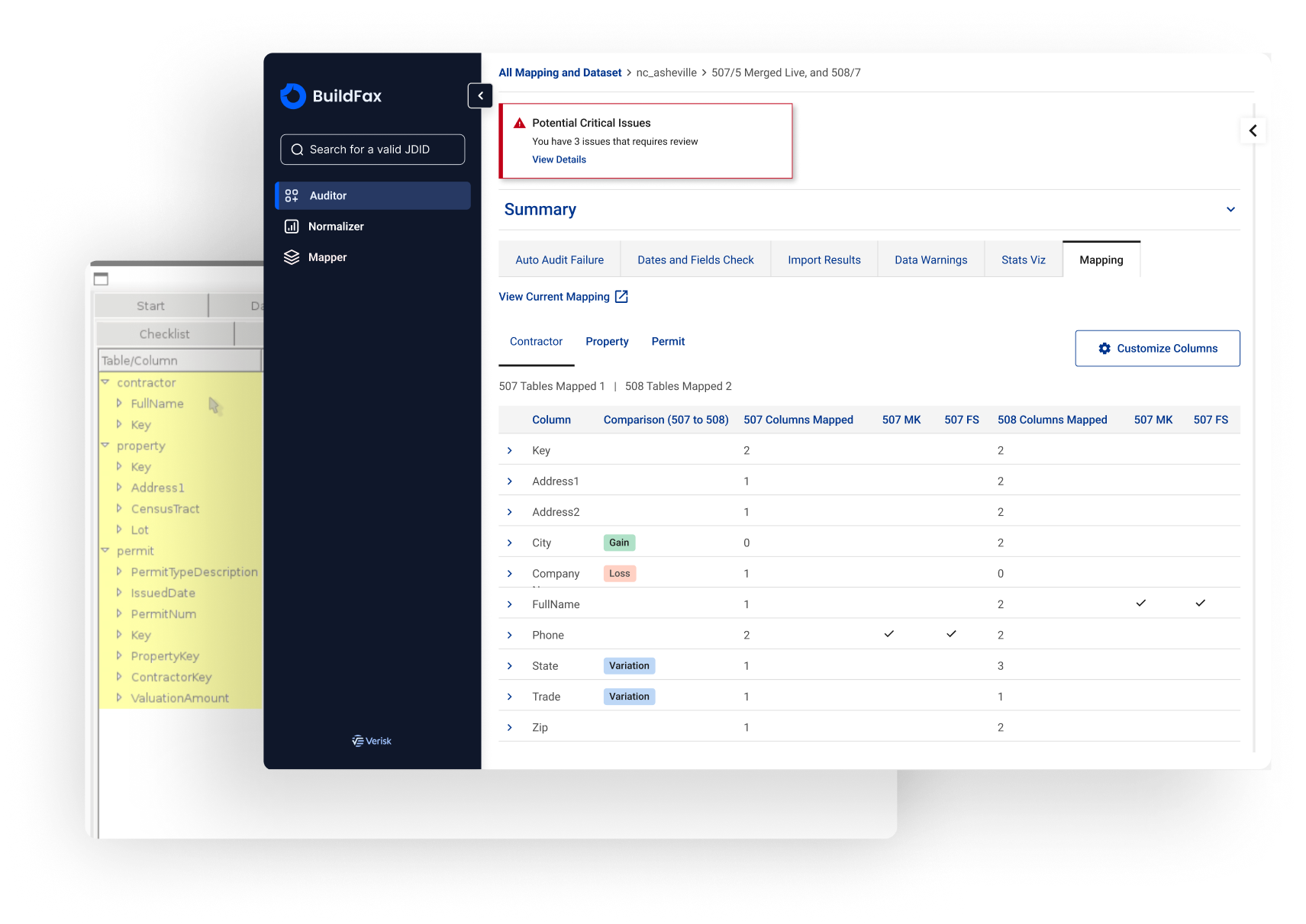
To complete a single audit, users had to jump between three different environments: an old internal tool, a secondary system, and a manual Excel spreadsheet. This constant switching created a toggle tax, paid in time and focus, and made it incredibly easy to lose track of data or make transcription errors.

Manual "needle-in-a-haystack" hunting

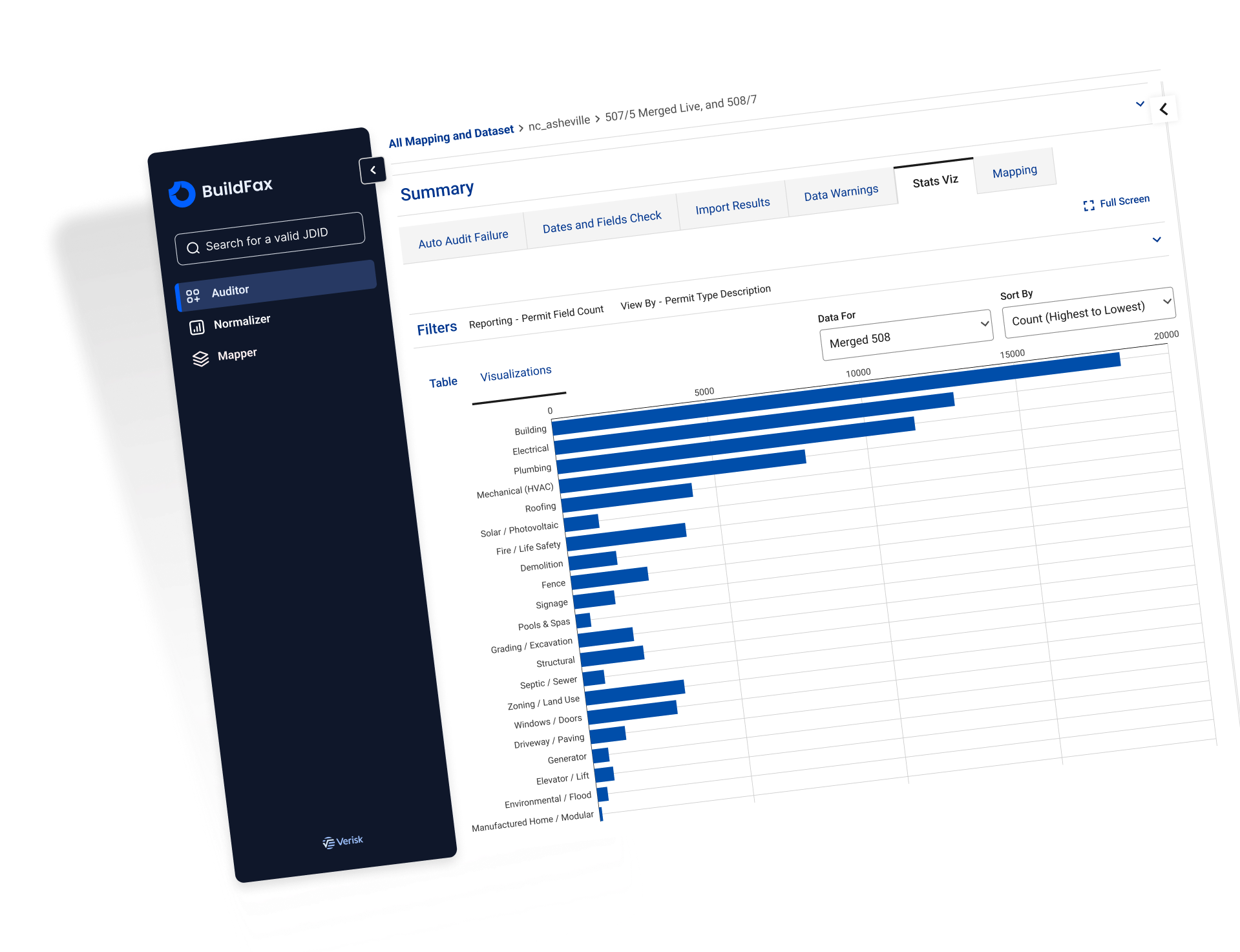
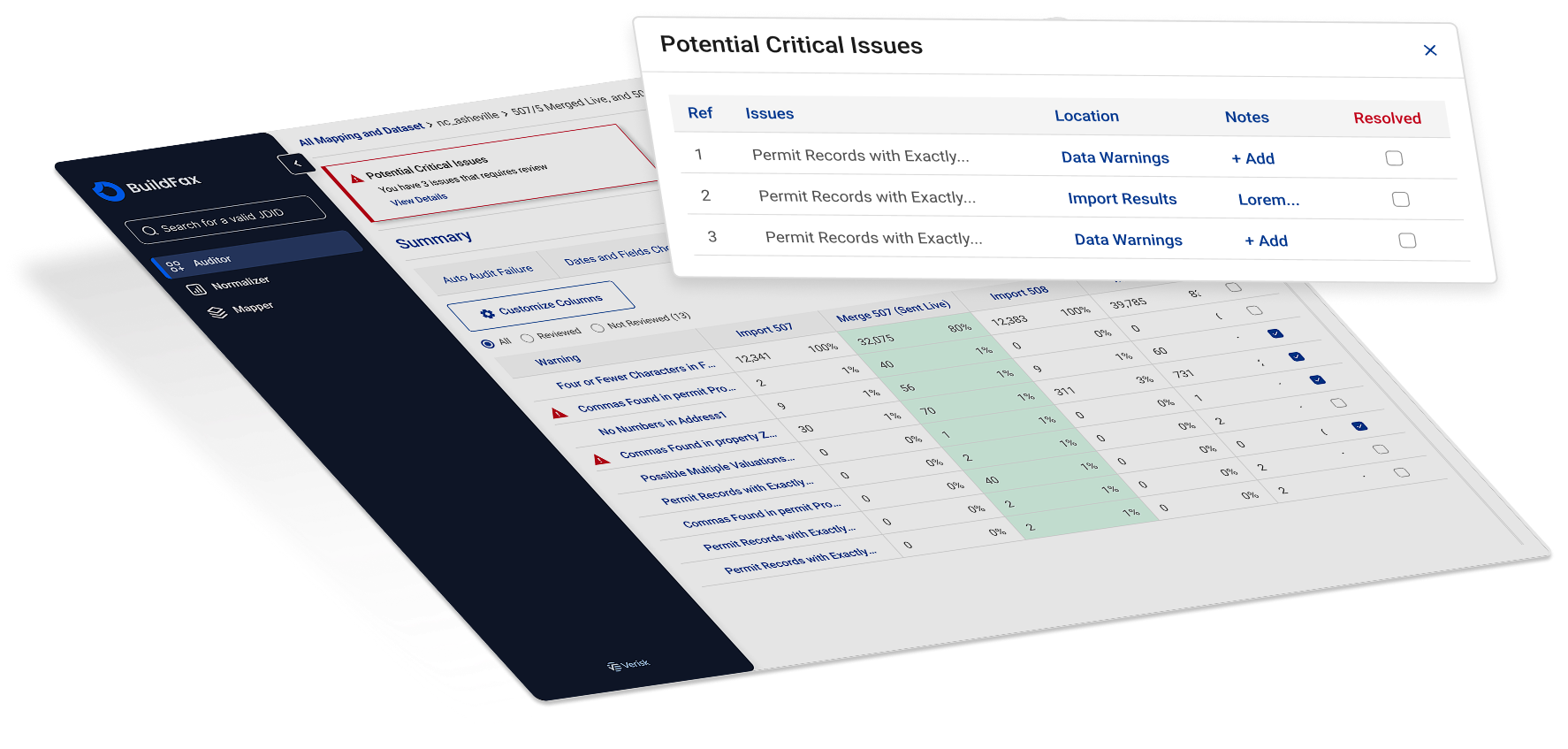
The old system didn't actually help users find errors; it just listed all the data and expected the users to find the mistakes themselves.Highly skilled employees had to manually dig through thousands of records and copy-paste dates into Excel just to keep track of what they needed to fix.

The technical barrier

The tool was built with a "database-first" mindset rather than a "user-first" one. Information was presented in raw code and technical IDs that only a long-term expert could understand. This created a massive learning curve.

Blind data comparisons

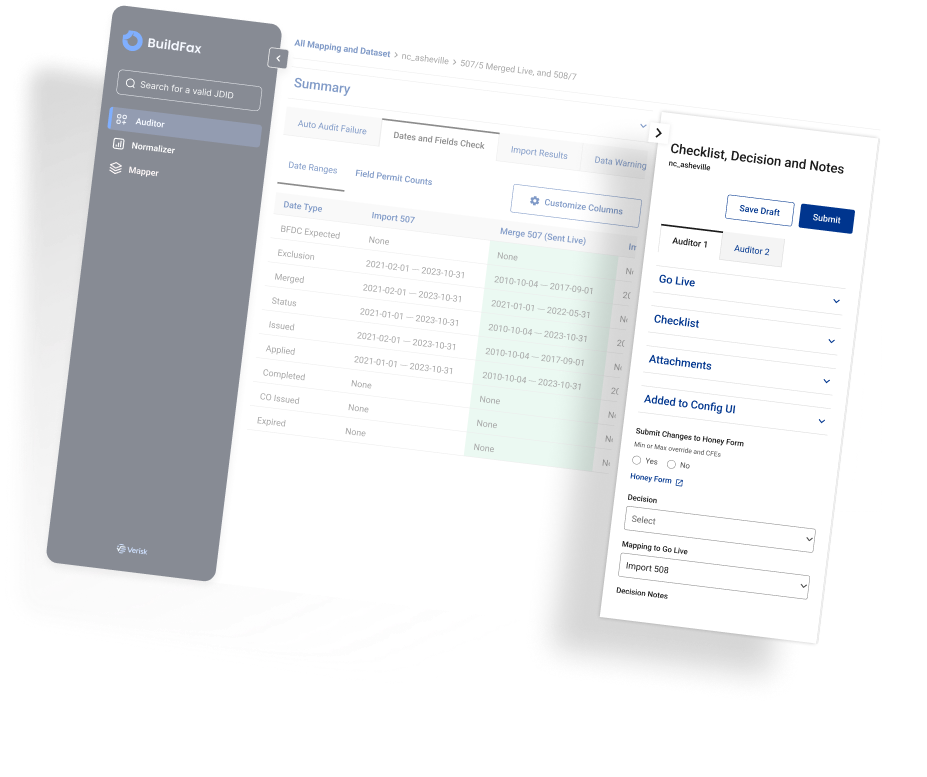
A core part of the job is comparing a "before" and "after" version of data to see if it got cleaner. In the legacy system, there was no side-by-side view. Users had to memorize numbers or click back and forth between different tabs to spot differences.

A high-precision data reconciliation platform

The new system acts as the central hub for verifying construction and permit data from across the United States. It is designed to pull in huge amounts of messy, inconsistent records from thousands of different cities and combine them into one clean database. By automatically flagging errors and providing a single place for experts to check the work, the platform ensures the data is accurate, organized, and ready for high-level clients to use.

Content Image
Process

Untangling the knot

We transformed a fragmented, manual workflow into a high-precision digital experience by conducting a deep operational audit and employing a "prototype-first, code-later" strategy to validate a 37% efficiency gain before any development began.

The support portal

An easy-to-navigate section where families can find care resources and apply for financial aid in minutes, not hours.

Impact-based giving

An e-commerce-style donation flow that lets donors see exactly how their contribution helps, whether it’s funding research or providing palliative care.

The content engine

A custom-built CMS (Content Management System) that allows the Caleb’s Trio team to share new stories and update educational content without needing a developer.

Accessible playfulness

A warm UI featuring a "wave" treatment and subtle animations that feel kid-friendly while maintaining a professional look for grant organizations.

Reflection

What it takes to give back a week

This project is a powerful reminder that the most significant UX transformations often happen in the shadows of internal tools. While consumer apps fight for clicks, internal systems like this one fight for a person’s time, mental health, and professional confidence.

By untangling this 15-year-old web of spreadsheets and fragmented software, the real achievement was, in our view, the restoration of focus. We moved the team from being data janitors, cleaning up messes and hunting for typos, to being data pilots who navigate information with precision.

This project shows that great UX doesn't need to be flashy to be revolutionary. It just needs to respect the complexity of the user’s world enough to simplify it. When we save a team 37% of their workday, we are actually handing them back nearly two days a week to do the high-level analysis they were actually hired to do. That is where the true impact of legacy transformation lies.